Melbourne to Bulukumba: Voyagers’ Seamless Guide to Exploring South Sulawesi
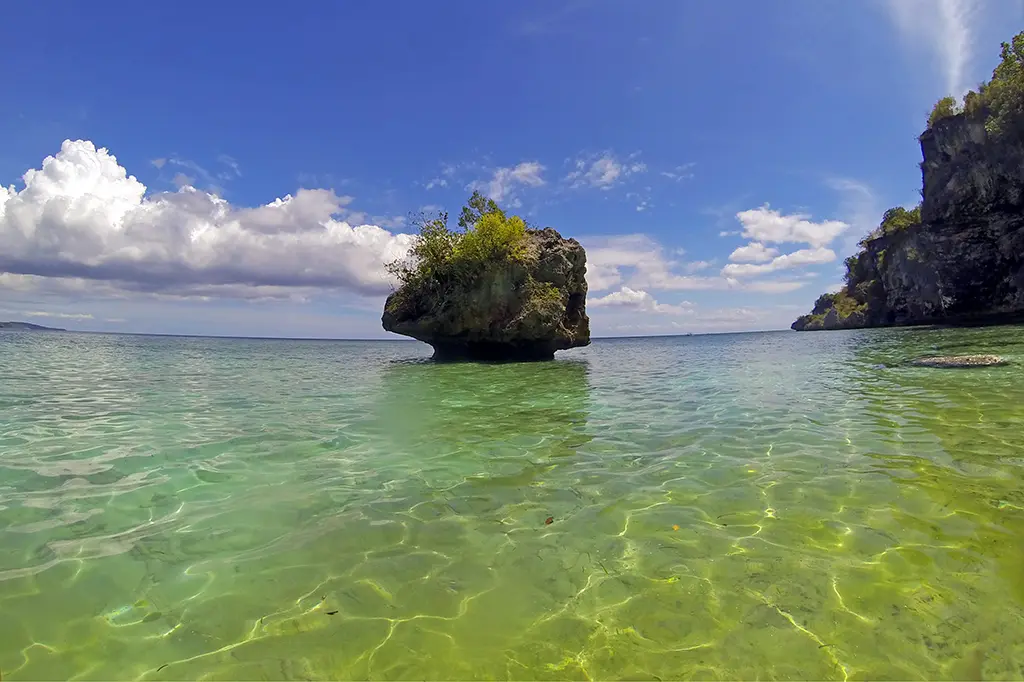
Melbourne to Bulukumba is not your average travel route. But for adventurers seeking rich coastal culture and timeless maritime heritage, it’s a journey worth taking. This route connects the vibrant streets of Melbourne to the traditional shipyards of South Sulawesi. It links modern city life with Indonesia’s legendary Phinisi boat building tradition.
Keep reading to discover the best flights, routes, and tips to make your trip smooth and unforgettable.
Read Also: How to Travel from Singapore to Bulukumba: A Complete Guide
Traveling from Melbourne to Bulukumba
Bulukumba, a coastal gem in South Sulawesi, Indonesia, is renowned as the birthplace of the Phinisi, Indonesia’s iconic wooden sailing ship. It’s where maritime tradition lives on through skilled shipbuilders and stunning sea landscapes.
For Voyagers flying from Melbourne, reaching this culturally rich destination is easier than you might expect. Here’s your step-by-step guide.
1. Fly from Melbourne to Makassar (The Closest Major Airport)
There are no direct flights from Melbourne to Bulukumba, as it doesn’t have an international airport. Your best route is to fly to Makassar, the capital city of South Sulawesi.
a. Flights from Melbourne to Makassar
Most Voyagers will transit through Jakarta, Denpasar (Bali), or Singapore before continuing to Makassar (Sultan Hasanuddin International Airport).
- Popular airlines: Garuda Indonesia, Batik Air, Jetstar, Singapore Airlines, AirAsia
- Total travel time: approx. 10 to 15 hours including layovers
Booking a multi-city or round-trip ticket in advance is recommended for the best fare options.
b. Alternative transit cities
If a single ticket is not available, you can separately book flights from Melbourne → Jakarta/Bali → Makassar, with many daily connections available between these major Indonesian cities and Makassar.
2. Travel from Makassar to Bulukumba
Once in Makassar, you’ll need to cover the 150 km journey to Bulukumba.
a. Private Car or Taxi
This is the fastest and most comfortable option. Travel time is about 3.5 to 4 hours, and you can enjoy scenic coastal views along the way. Many hotels or travel agents in Makassar offer car rental or driver services.
b. Bus or Shared Minivan
For budget-conscious travelers, buses leave from Daya Terminal or Mallengkeri Terminal in Makassar.
- Cost: very affordable
- Duration: around 4 to 5 hours
While less luxurious, public buses offer an authentic experience and a chance to engage with local travelers.
3. Local Transport in Bulukumba
Getting around in Bulukumba is easy once you arrive.
- Ojek (motorbike taxis): Great for short distances and local exploration.
- Motorbike rental: Perfect for independent travel.
- Car with driver: Ideal for visiting remote beaches or the famous shipyards in Tana Beru.
Read Also: 11 Best Things to Do in Bulukumba: Attractions, Beaches, and Cultural Gems
Explore the Coastal Culture of Bulukumba
Once you arrive, Voyagers, you’ll be immersed in the maritime soul of South Sulawesi. From the warm hospitality of its people to the skilled hands of boatbuilders shaping history plank by plank, Bulukumba offers more than just scenic coastlines. It’s a living museum of Indonesia’s seafaring heritage.
Here are some places you should visit to truly experience the heart of this ocean-bound culture:
1. Phinisi Shipyards at Tana Beru
Tana Beru is the beating heart of Bulukumba’s maritime pride. Here, you can witness Phinisi ships, Indonesia’s iconic two-masted wooden schooners, being built entirely by hand, using ancestral techniques passed down through generations.
The craftsmanship is nothing short of extraordinary. Local artisans, often working barefoot and without formal blueprints, bring to life massive vessels using only intuition, tradition, and deep-rooted knowledge of the sea. Visiting the shipyards offers not just a look into boatbuilding, but a powerful story of cultural preservation in action.
2. Tanjung Bira Beach
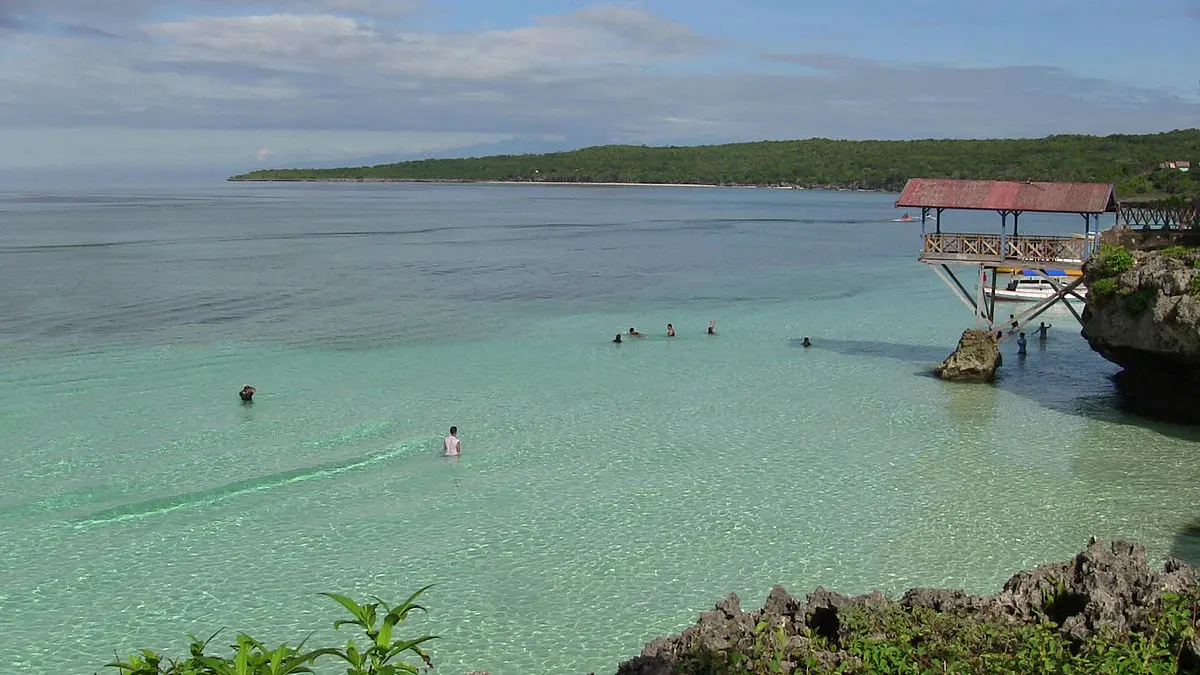
Famed for its powdery white sand and translucent turquoise waters, Tanjung Bira is a coastal haven perfect for rest and reflection. After exploring the cultural sites, take time to relax or snorkel in the warm waters, where coral reefs and colorful marine life await.
It’s also one of the few places where you can see Phinisi ships anchored offshore, blending modern leisure with timeless tradition. Whether you're chasing sunsets or sipping fresh coconut water, this beach offers a peaceful escape steeped in local rhythm.
3. Traditional Villages
To understand Bulukumba's soul, head inland to its traditional villages. Places like Lemo-lemo or Kajang offer insight into daily life that still revolves around the sea.
You’ll meet communities who fish at dawn, tell stories by firelight, and cook using age-old recipes flavored with coastal ingredients. Engage with local elders, taste homemade dishes, and hear stories of voyages and ancestors. These villages aren’t just stops on a map. They’re living classrooms of resilience, culture, and harmony with the ocean.
Travel Tips for Australians Visiting Bulukumba
Planning a trip from Australia to South Sulawesi? Whether you’re chasing cultural experiences or pristine coastlines, visiting Bulukumba can be both rewarding and refreshing. To help you make the most of your journey, here are some essential travel tips to keep in mind.
1. Visa Requirements
Australian passport holders can visit Indonesia visa-free for up to 30 days. For longer stays, apply for a tourist visa before arrival.
2. Best Time to Visit
Bulukumba's tropical climate is divided into two distinct seasons. For Voyagers from Melbourne, timing your trip correctly can significantly enhance your experience.
- Dry Season (May to September)
This is widely considered the prime time to visit. You'll be rewarded with bright, sunny days, clear blue skies, and calmer seas. These conditions are perfect for sailing, snorkeling in the translucent waters of Tanjung Bira, and comfortably exploring the Tana Beru shipyards without the interruption of rain. This is the peak season, so expect a more vibrant atmosphere.
- Rainy Season (October to April)
This period sees more frequent and heavier rainfall, often in the afternoon. While the rain can sometimes disrupt beach plans or make travel on unpaved roads to remote villages more challenging, it has its own unique advantages. The landscape becomes incredibly lush and vibrantly green, offering a different kind of beauty. You'll also encounter fewer tourists. If you travel during this time, just be sure to pack a lightweight rain jacket and be flexible with your itinerary.
3. Health & Safety
Your wellbeing is paramount on this adventure. While South Sulawesi is welcoming, its remote nature means you should be more prepared than you would be in a major city.
- Insect Repellent
This is a non-negotiable item. Mosquitoes are common, especially at dawn, dusk, and during the rainy season. A strong, DEET-based repellent is your best defense against mosquito-borne illnesses like dengue fever.
- Hydration & Water Safety
Only drink sealed, bottled water. Tap water is not potable, and it's wise to avoid ice in drinks from small roadside stalls. Dehydration is also a risk in the tropical heat, so ensure you are drinking plenty of bottled water throughout the day.
- Essential Medications & First-Aid
Pack a plentiful supply of any prescription medication you take, along with a copy of your prescription. Healthcare in rural areas like Bulukumba is limited and not comparable to Australian standards. It is highly recommended to bring a comprehensive first-aid kit with basics like antiseptics, bandages, pain relievers, and medication for stomach upsets.
- Sun Protection
The equatorial sun is incredibly strong. A high-SPF sunscreen, a wide-brimmed hat, and sunglasses are essential to protect against severe sunburn, which can happen quickly, even on overcast days.
- Travel Insurance
Given the remote location, ensure you have comprehensive travel insurance that covers medical emergencies and, ideally, medical evacuation, just in case.
4. Respect Local Customs
Dress modestly when visiting villages or sacred sites. Learning a few basic Bahasa Indonesia phrases goes a long way in connecting with locals.
Read Also: 10 Unique Bajau Tribe Facts About How They Live at Sea
Visit the Phinisi Shipbuilders at Riara Marine
As you journey from Melbourne to Bulukumba, you’re not just crossing borders. You’re stepping into an ocean-bound legacy. For a truly immersive experience, join the Workshop Tour at Riara Marine.
Here, local shipbuilders continue the centuries-old tradition of building Phinisi ships by hand, plank by plank. You can:
- Watch the construction of real Phinisi boats
- Try your hand at woodcraft or ropework
- Hear sea stories passed down through generations
By choosing experiences like these, you support sustainable tourism and help preserve a unique maritime heritage for future generations.
Let your journey be more than a vacation. Connect with culture, heritage, and craftsmanship. Contact Riara Marine today to join the Workshop Tour!